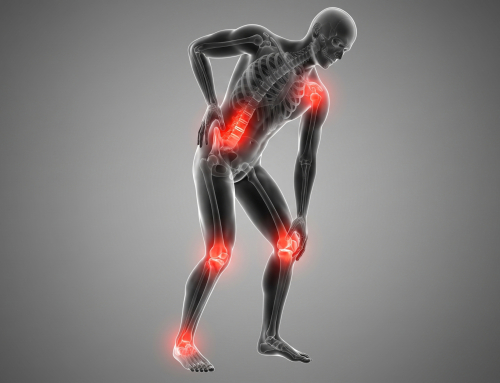
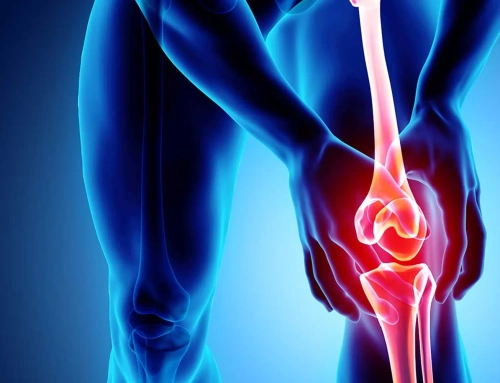
Some women breeze into menopause with seamlessly. But many others do not, and experience a variety of uncomfortable symptoms such as insomnia, low sex drive, thinning skin and hair, vaginal dryness, joint stiffness, and more. One of the more common and annoying issues is hot flashes. For some women, the intensity and frequency of hot flashes can be debilitating. While many women go on hormone replacement therapy to eliminate these symptoms, some do not want to add exogenous estrogen into their bodies, for perceived cancer risks, and other reasons. For them the question is – what can be done to reduce hot flashes naturally?
 When a woman enters menopause, their ovaries greatly reduce their production of the hormone estrogen, and progesterone. Luckily, the adrenal glands can take over some of the production. But the adrenal glands do not produce nearly as much of these hormones as the ovaries did. The sudden drop in hormone levels can result in hot flashes. Usually hot flashes are temporary – on average most women stop having them after the first few years of menopause. But what can be done in the meantime?
The answer is nourishing all the hormonal organs – including the pituitary, hypothalamus, thyroid, adrenals, and ovaries. Believe it or not, all of these organs play a part in hot flashes, not just the ovaries and adrenals. They all message each other, and have feedback loops, and can overlap in function. One way to support these glands is to reduce problematic foods. This means processed foods, “natural flavors”, food dyes, sugar, artificial sugar, excessive caffeine, and GMO foods (corn, canola, soy). This itself can take enough pressure off of the hormonal organs that they can function more in balance. I suggest nutritional analysis to identify more personal food sensitivities (for some this may be wheat, or dairy, or eggs, or nuts).
I also recommend switching off all EMF wifi devices in the bedroom at night. This can go also go a long way in reducing stress on hormonal organs.
Supporting the hormonal organs with commonly low in our diet minerals such as iodine, selenium, zinc, and manganese can help greatly, as can supplementing with either flax seed oil, or black current seed oil. Nutritional analysis can help identify what exactly is needed.
The other organ to pay attention to is the liver. The liver is very involved in regulating hormones, and getting rid of used hormones. Interestingly enough, a build of used estrogen can collect in the liver, and this can actually contribute to hot flashes as well. This can occur when the liver is clogged with toxicity. General liver supportive foods such as cruciferous vegetables, and herbs such as milk thistle can go a long way to hormonal health and reducing hot flashes.
Many herbs also help the body boost hormone levels. Adaptogenic herbs such as schizandra and rehmannia boost the adrenal glands. Wild yam and chaste tree help boost estrogen and progesterone levels in the body. These herbs can definitely help ease menopausal transitions, but I usually suggest try the above suggestions first, they surprisingly make more of the difference.
Of course, acupuncture and other forms of body work can be very helpful as well. Don’t go through hot flashes feeling that they are unavoidable, there is help out there, and you don’t just have to wait it out for years. Nutritional Analysis can take a lot of the guess work out of figuring out which organ is most imbalanced, and why. Menopause need not be a time of angst!