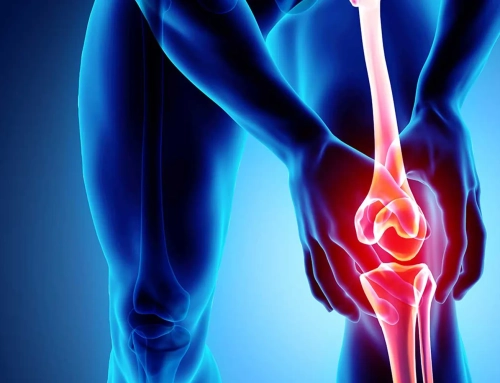
Chronic joint pain is no fun. It can limit your lifestyle, interfere with the activities you love, and leave you feeling frustrated. Perhaps you’ve already tried massage, chiropractic care, physical therapy, or other treatments with little lasting improvement. Maybe you’re beginning to wonder whether surgery is the only option left.
After many years of working with people suffering from chronic joint pain—including slow-healing injuries, osteoarthritis, back pain, and autoimmune joint conditions such as rheumatoid arthritis—I have found something important:
Most chronic joint pain is not simply a cartilage problem.
In many cases, the real issue is chronic inflammation that does not need to be there at all.
While structural problems can certainly play a role, inflammation is often the driving force behind pain, stiffness, and slow healing. One of the biggest contributors to inflammation is diet. Certain foods can trigger inflammatory responses in susceptible individuals, and removing them often produces surprising improvements.
I generally recommend eliminating or significantly reducing the following foods for two weeks and paying close attention to how your joints feel.
1. Wheat
Wheat is one of the first foods I recommend eliminating.
In my experience, wheat can increase inflammation throughout the body and often aggravates joint pain. Whether you have arthritis, old injuries, or generalized aches and stiffness, removing wheat for a couple of weeks is often worth trying.
2. Dairy
If you’re consuming dairy daily—such as milk in your coffee, yogurt, cheese, or ice cream—it may be contributing to your symptoms.
Dairy is a frequent culprit in chronic joint pain and inflammation. Taking a two-week break can provide valuable information about whether it is affecting you.
3. Rice Products
Many people are surprised to hear this one.
Rice, particularly brown rice, can contain measurable amounts of arsenic. In my clinical experience, arsenic burden is often a contributing factor in chronic joint pain.
If you only eat rice occasionally, this may not be significant. However, if rice or rice-based products are part of your diet several times per week, consider eliminating them for two weeks and notice whether your symptoms improve.
4. Eggs
Eggs can also contribute to stiffness and inflammation in some individuals.
For someone who eats eggs only occasionally, this may not be an issue. However, for those eating one or two eggs every day, eliminating them temporarily may lead to noticeable improvements in joint comfort and mobility.
Supplements That May Help
Many people immediately think of glucosamine or fish oil when they think of joint support. In my experience, these supplements are often less helpful than expected.
Some options I have found more useful include:
Calcium Lactate (Standard Process)
One of my favorite supplements for chronic joint pain is Calcium Lactate by Standard Process.
I typically recommend 1–2 tablets daily. Although dairy products contain calcium, Calcium Lactate as a supplement seems to have unique benefits for many people. Improvements are often noticeable within a couple of weeks.
Magnesium
Magnesium can help support healthy muscle and nerve function and may contribute to improved comfort and flexibility.
Spirulina
Spirulina is a nutrient-dense algae that I often find helpful for joint pain and inflammation. A typical amount is around 1,000 mg daily.
Modifilan Brown Seaweed
Modifilan is another supplement that can be very beneficial. However, it can also be quite detoxifying. For that reason, I generally recommend taking it alongside a liver support product such as LivCo.
Don’t Forget Movement and Hands-On Care
Bodywork therapies can still be valuable tools.
Acupuncture, massage, chiropractic care, and other hands-on therapies may help reduce pain and improve circulation. Mild exercise can also be extremely beneficial by increasing blood flow and supporting the body’s natural healing processes.
Looking for the Root Cause
If you are experiencing chronic joint pain, consider trying the dietary and supplement approaches above and see how your body responds.
However, if you want to do more detective work and discover what may be driving the inflammation in the first place, a Nutritional Analysis can help uncover hidden stressors and underlying imbalances.
Too often, people spend years chasing symptom relief through manual and musculoskeletal therapies that never address the root cause of the problem.
Identifying what’s fueling the inflammation can save time, money, and frustration—and help you get back to living the life you want.
If you’d like help investigating the underlying causes of your joint pain, I’m here to help.