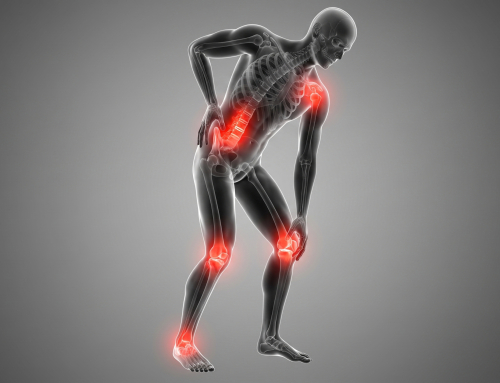
Glycine is a small amino acid with several important jobs—and has been known to have the following benefits:
ncluding helping the body make collagen and glutathione, an antioxidant that protects cells from damage.
In his November 1, 2026 article, Dr. Joseph Mercola describes glycine as a potential “brake” on inflammation. Laboratory and animal studies suggest it can calm certain immune cells and reduce the release of inflammatory signals. Glycine also helps regulate pain signals in the spinal cord, although taking a supplement has not been shown to reproduce all these effects in people.
Human research offers encouraging—but limited—evidence. A small trial in people with type 2 diabetes found that glycine supplementation reduced certain inflammatory markers. That finding supports further research, but it does not establish glycine as a treatment for inflammation or pain. (Cruz and colleagues, 2008)
Mercola also discusses studies pairing glycine with N-acetylcysteine, or NAC, to support glutathione production. Because those studies used both ingredients, their benefits cannot be attributed to glycine alone.
Glycine’s role in the body makes it an interesting subject for inflammation research. Still, the article’s recommendation to take 10 grams daily is the author’s advice, rather than an established treatment guideline. Whether supplementation is useful—and at what dose—requires more human research.